
Tim Colthorpe interviewed by Laura Tyley.
When I arrived at the Somerset Guild of Spinners, Weavers and Dyers fleece fair this year, I found myself chatting to Tim Colthorpe and his mother Diane, a Somerset Guild member since 2016, about their flock of Soay sheep.
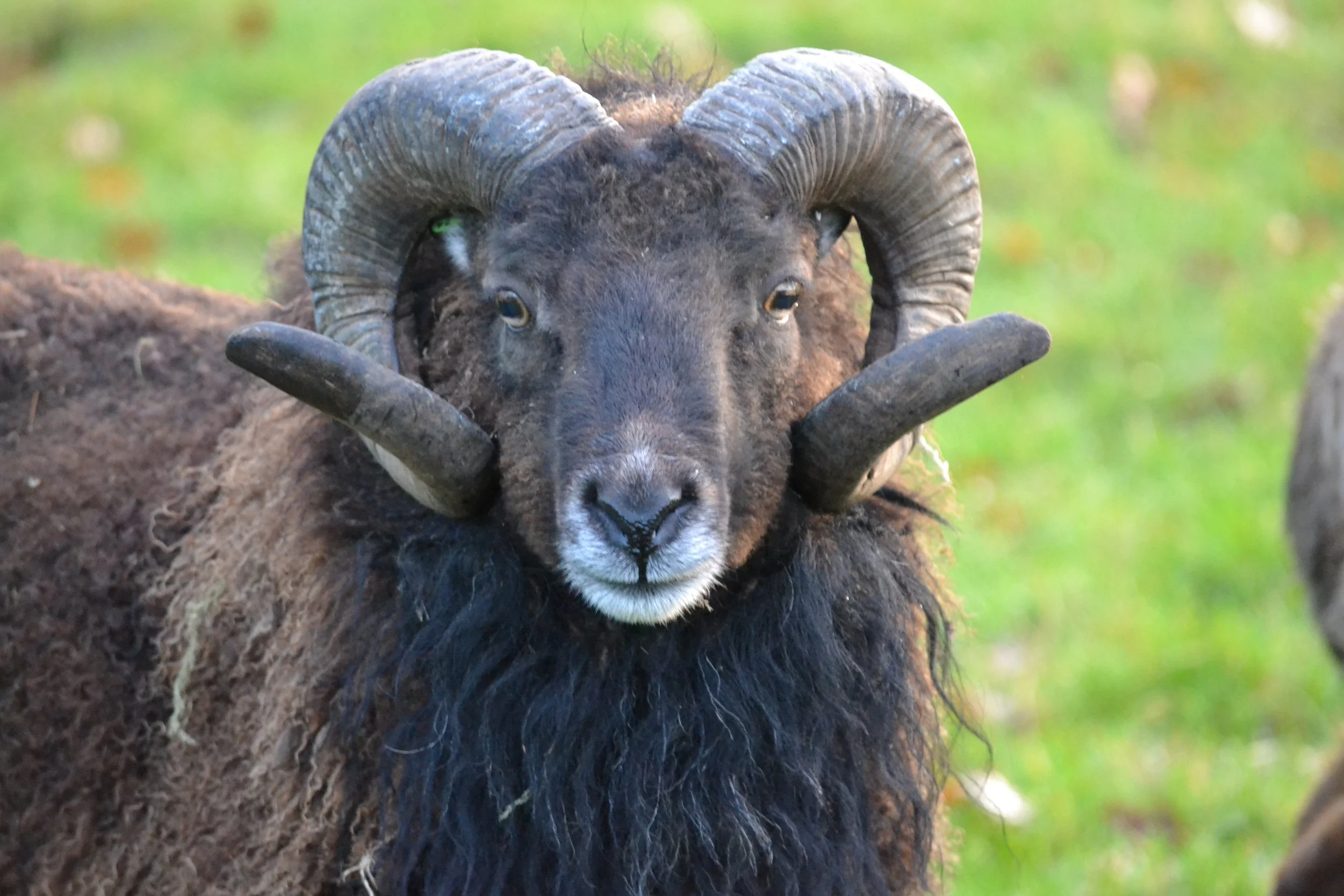
Like many spinners, I'd heard of Soays. I'd handled the fleece and admired the colours. But I realised I knew very little about the sheep themselves, where they came from, or what it takes to keep a rare breed alive in modern Britain.
What followed was a fascinating conversation that ranged from ancient sheep and conservation grazing to disappearing abattoirs, genetic diversity and the surprisingly useful role of a pair of binoculars.
A flock that started with two sheep
Tim's connection to Soays goes back several decades. His grandfather, Morris, worked as Chief Technician in the Zoology Department at Royal Holloway College in Surrey, where a research project was studying the genetics and ecology of Soay sheep. In the 1960s, Professor Peter Jewell obtained permission to bring 24 Soay sheep from St Kilda, the remote island archipelago off Scotland's west coast, for long-term research.
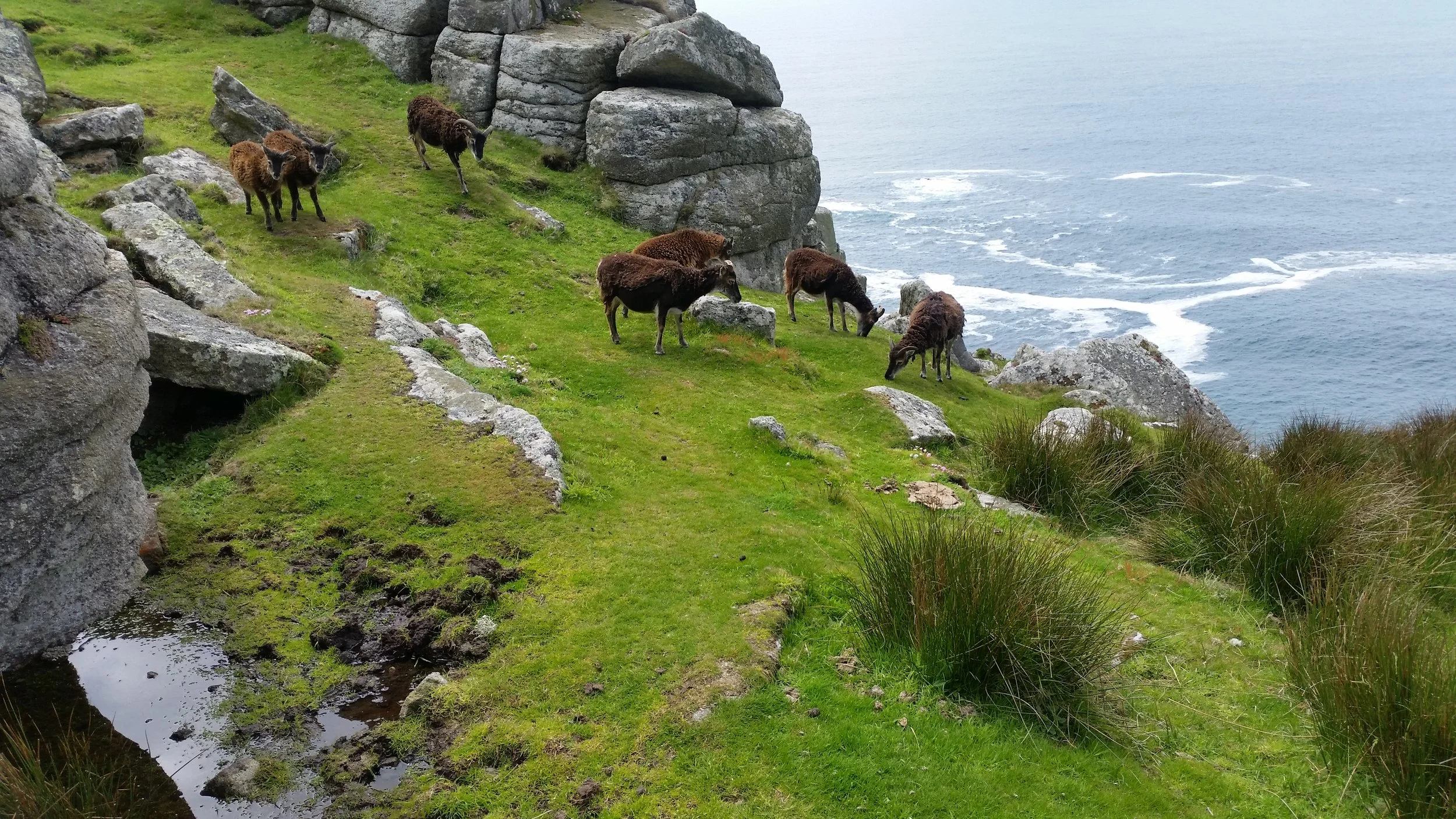
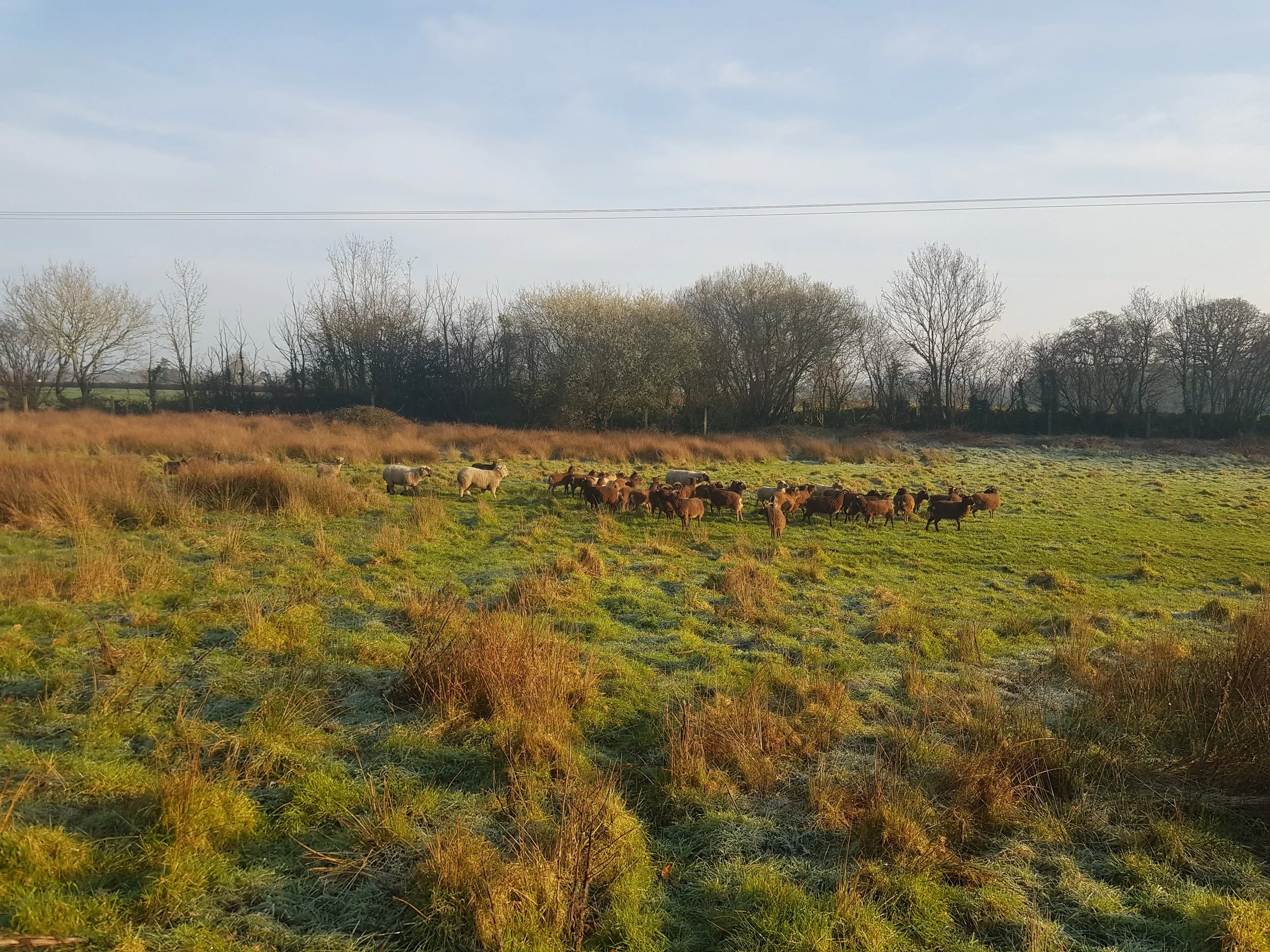
When the project eventually came to an end and Tim's grandfather retired, he was persuaded to take two of the sheep with him: Bambi and Mary. Those two sheep became the foundation of the family's flock. Today, Tim and Diane keep around 60 Soays, along with this year's lambs, on a mixture of owned and borrowed grazing. "It soon gets out of hand," Tim laughed.
Sheep that have barely changed in 2,000 years
The Soay is often described as one of Britain's most primitive sheep breeds. Originating from the isolated islands of St Kilda, they have lived feral for centuries and remain remarkably similar to their ancient ancestors. Unlike many modern commercial breeds, they retain many characteristics that would allow them to survive with minimal human intervention.
"If I opened the gate and walked away," Tim told me, "the Soays would carry on much as they always have. They'd behave more like deer than modern sheep."
That hardiness is part of what makes them so valuable. As Tim pointed out, every rare breed represents a unique collection of genetics that cannot be recreated once lost. Maintaining small flocks across the country effectively creates a living genetic bank.
A flock full of variety
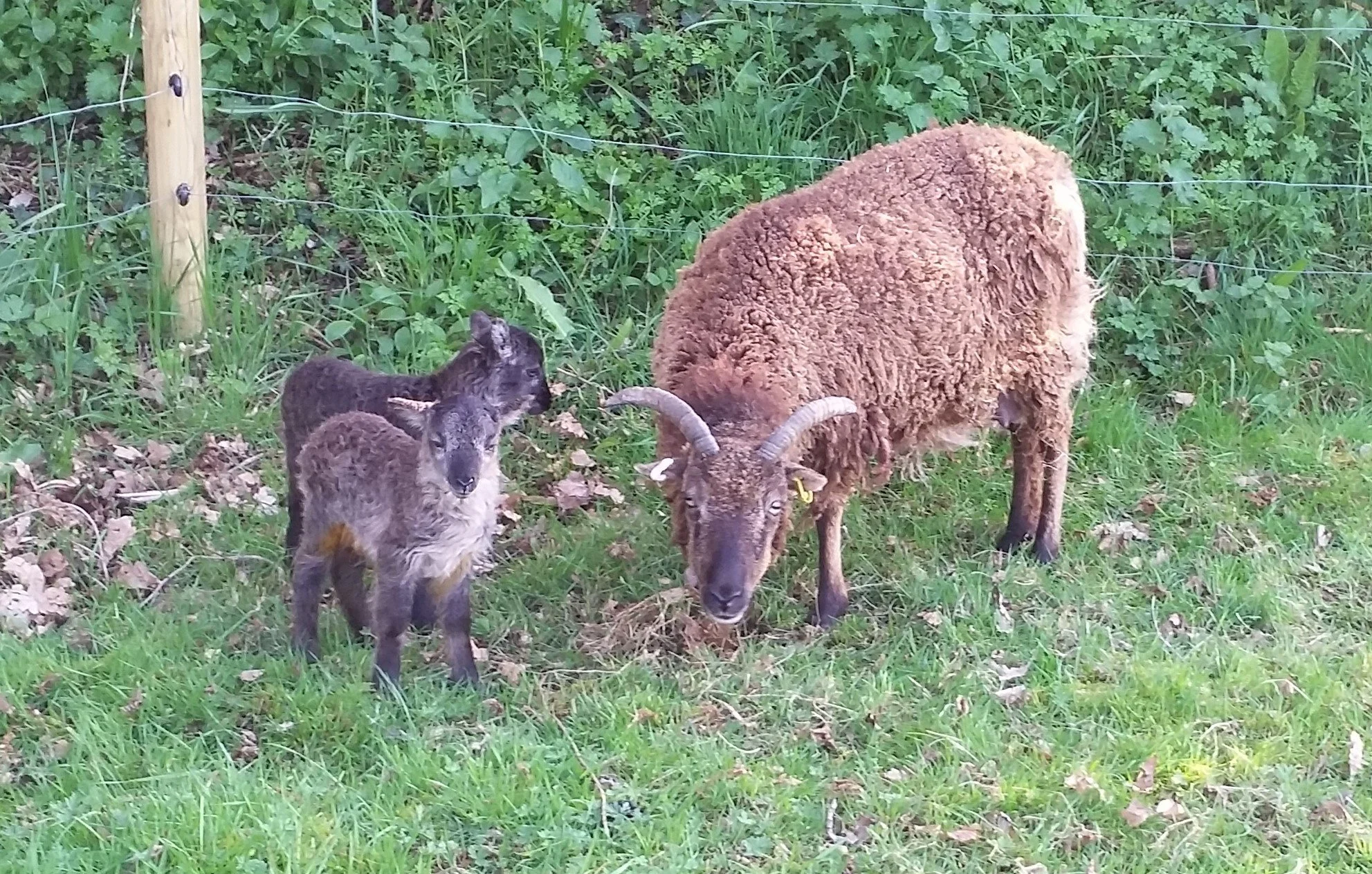
The flock includes animals in a range of colours, from light sandy shades through to rich dark browns and blacks. Some carry the classic mouflon patterning, with pale markings around the eyes, under the belly and under the tail, while others display piebald markings. Horns are equally varied. Some sheep are fully horned, some are polled (naturally hornless), and some are scurred, carrying small or misshapen horns. Interestingly, Tim explained that research suggests the polled gene may be linked to greater longevity and hardiness. Their oldest ewe reached 18 years old, while 15 or 16 years is not unusual. Many continue breeding successfully well into their teens.
Browsers rather than grazers
If you're imagining neat sheep quietly eating grass in a field, think again. Soays seem to regard grass as something to eat only after they've exhausted the hedgerows. "They love hedges," Tim said. "If you put them in a field, they'll spend more time in the hedge than on the grass."
Bramble leaves, young nettles, thistles, weeds and tree growth are all enthusiastically consumed. They won't completely clear rough vegetation, but they will slow it down significantly. For this reason, Tim believes native primitive breeds like Soays deserve a much larger role in conservation grazing projects. "We've got native breeds that are perfectly adapted to doing this work," he said. "Why bring in exotic breeds from elsewhere?"
Managing Soays
One of the most striking things about the flock is how little intervention they require. Lambing takes place outdoors. Tim's main lambing tool? "A pair of binoculars." The flock is monitored from a distance, allowing the sheep to get on with things themselves. Most ewes produce singles or twins. Triplets are rare, although the flock produced a set this year after particularly good grass growth.
The sheep are not worked with dogs. In fact, Tim suspects a dog would simply scatter them. Instead, the sheep are encouraged to come willingly for a small daily handful of sugar beet pellets. "They quickly learn where the food is," he said.
The fleece
For fibre enthusiasts, Soays are particularly interesting. Their fleece varies enormously, from fine, soft fibres to much coarser outer coats. Many fleeces are distinctly double-coated, making them fascinating to process and spin. Unlike most modern sheep breeds, Soays naturally shed their fleece. Historically, this meant the fleece could be rooed, or plucked, rather than shorn.
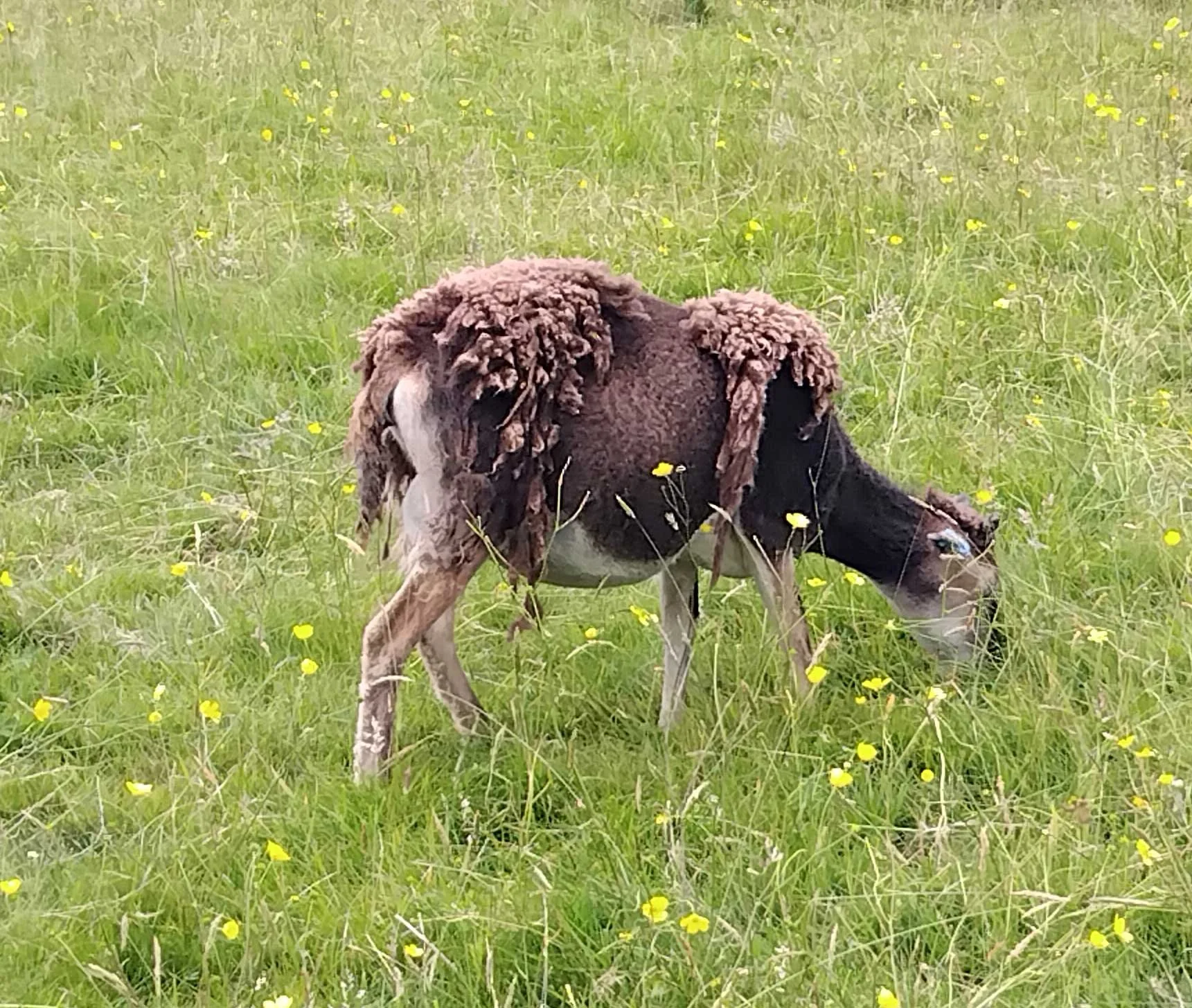
The timing creates challenges for modern fleece sales. Tim's flock often holds onto much of its fleece until June, July or even August, meaning Somerset Guild's June fleece fair arrives before many sheep have fully shed. Because the flock spends much of its time browsing hedges, a fair amount of fibre is also left hanging from brambles and branches.
Why rare breeds matter
Towards the end of our conversation, we talked about the future of Soays. The breed is currently listed as a Priority breed on the Rare Breeds Survival Trust Watchlist following a decline in registrations.
Tim believes part of the challenge is that Soays simply do not fit modern commercial agriculture. With their small size and slow growth, they take 18 months to two years to reach a useful meat size. The fleece alone will not pay the bills. Most people who keep them do so because they love them. But there are wider challenges too. Tim spoke about the loss of local abattoirs, increasing legislation, rising costs, and the disappearance of small parcels of grazing land that traditionally supported smallholders.
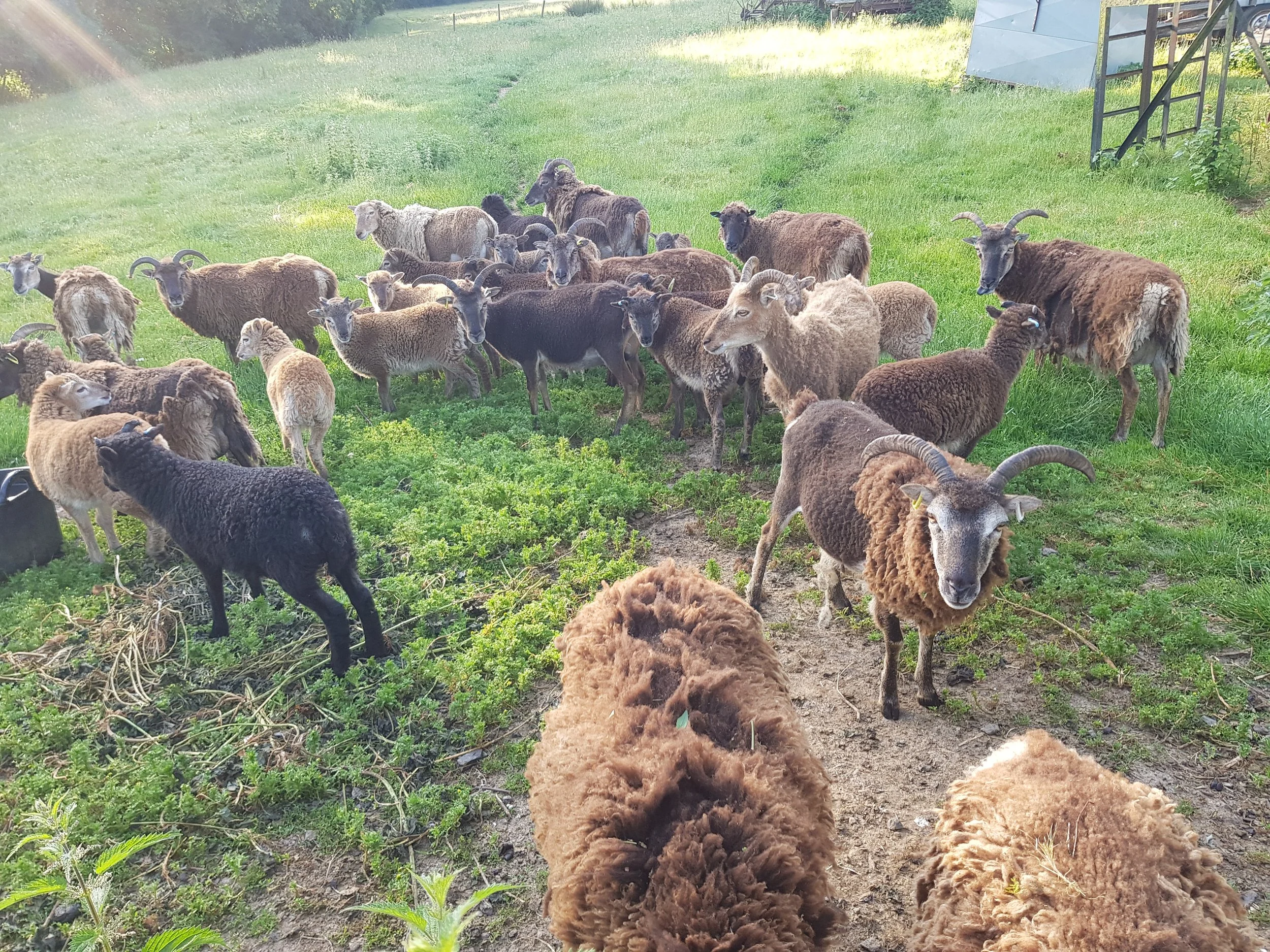
For rare breeds, the disappearance of these support systems has a huge impact. Without smallholders, there are fewer flocks. Without flocks, genetic diversity is lost. And once a breed disappears, those genetics disappear forever.
Keeping the story alive
One thing that became clear during our conversation is how important breed societies are. The Soay Sheep Society helps breeders connect, share knowledge and, crucially, find unrelated breeding stock. Tim talked about borrowing rams from across the country and lending his own animals to other flocks, helping maintain genetic diversity. It is a reminder of the vital role smallholders play in conservation.
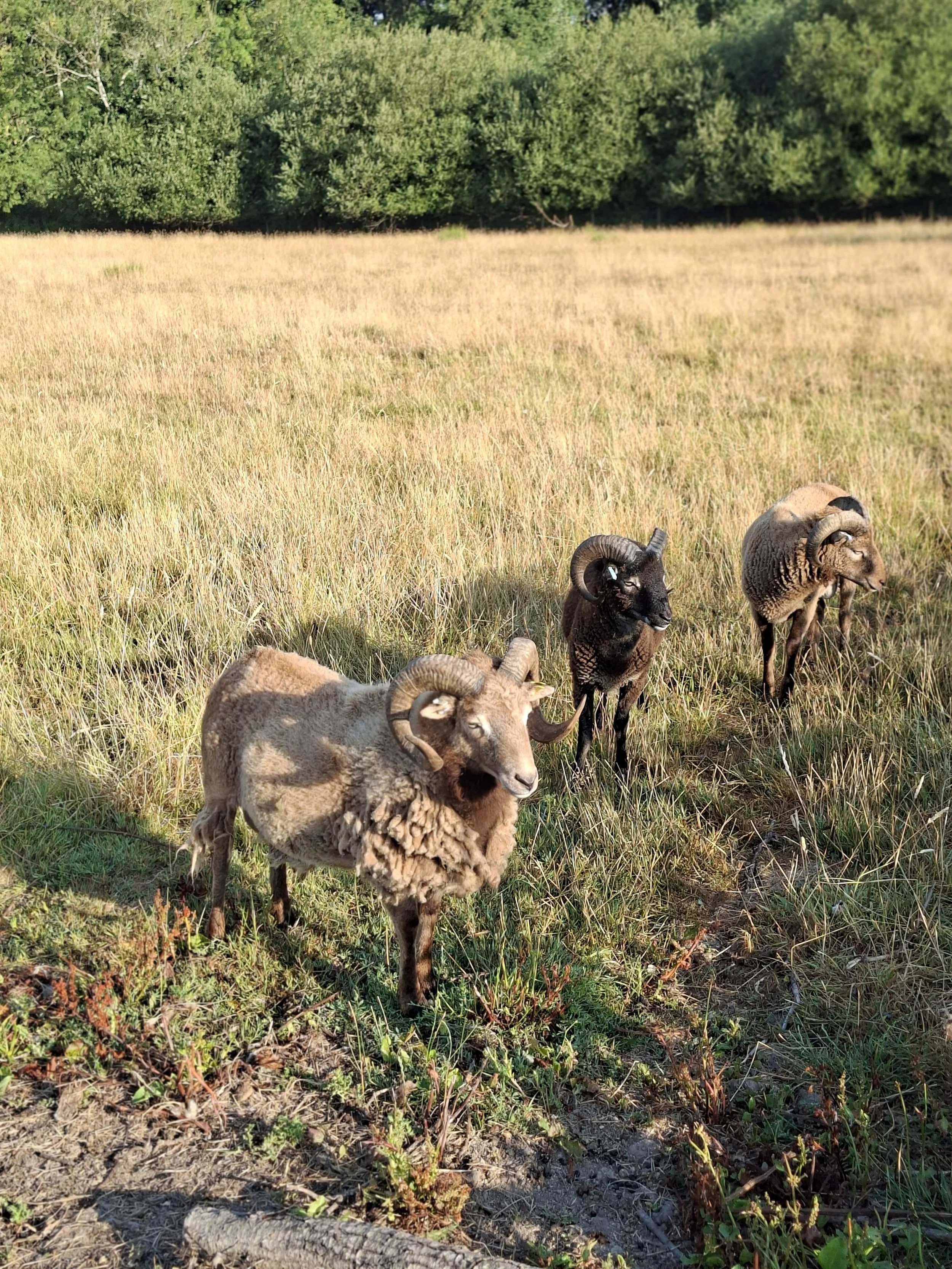
The two rams we used for this years lambs. The one of the left has been used previously. He is on his way home to Wales and has been for several years.
For spinners, weavers and fibre enthusiasts, supporting rare breeds isn't just about the fleece. It's about supporting the people who continue to steward these living threads of our agricultural heritage.
Many thanks to Tim and Diane Colthorpe for sharing their time, stories and knowledge.
Additional breed information in this article was sourced from the Soay and Boreray Sheep Society.